
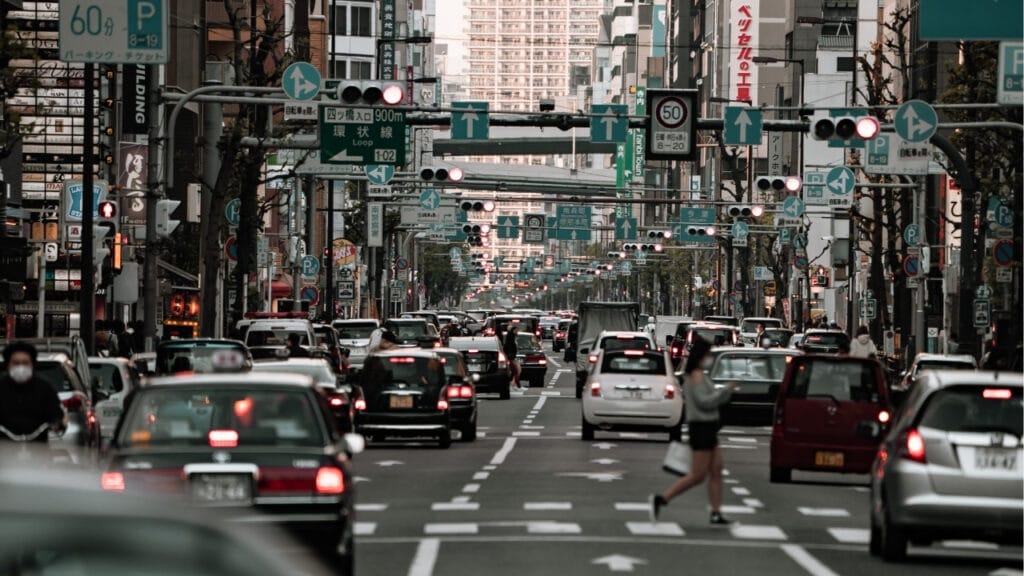
For Bangladeshi car enthusiasts and prospective buyers, Japanese vehicles have long been the gold standard. From the fuel-efficient Toyota Axio to the rugged Mitsubishi Pajero, Japanese cars dominate our roads for good reason. However, importing a vehicle from Japan isn’t as simple as placing an online order. Whether you’re a first-time importer or looking to add another Japanese car to your collection, understanding the process can save you from costly mistakes and ensure you drive away with the right vehicle.
Here are five essential things every Bangladeshi buyer should know before importing a Japanese car.
1. Understanding the Auction Sheet Verification Process
One of the most critical aspects of importing from Japan is verifying the auction sheet, yet many buyers overlook this step until it’s too late. Japanese auction sheets are detailed reports that provide comprehensive information about a vehicle’s condition, including its grade, mileage, accident history, and mechanical state.
The auction sheet uses a grading system where higher grades indicate better condition. A grade of 4.5 or above generally indicates an excellent vehicle, while anything below 3.5 should raise concerns. However, the grade alone doesn’t tell the whole story. You need to examine the diagram on the sheet that shows every scratch, dent, or rust spot on the vehicle’s body.
Why verification matters: Unfortunately, fraudulent or altered auction sheets do exist in the market. Some unscrupulous dealers may present modified documents showing better grades or lower mileage than reality. Before making any payment, insist on seeing the original auction sheet and cross-reference it with the vehicle’s chassis number. Consider hiring a trusted inspector in Japan or working with a reputable importer who can verify the authenticity of documents. Remember, once the car arrives in Bangladesh, there’s little recourse if the condition doesn’t match what was promised.
2. Calculate the Total Landing Cost, Not Just the FOB Price
Many first-time importers make the mistake of focusing solely on the FOB (Free on Board) price—the cost of the car in Japan. However, the actual amount you’ll pay is significantly higher once you factor in all additional expenses.
Your total landing cost includes customs duty (currently around 25% on the assessed value), VAT (15%), advance income tax (5%), registration fees, clearing and forwarding charges, and transportation costs from Chittagong port to Dhaka. Additionally, you’ll need to pay for shipping, marine insurance, and port handling charges in Japan.
For example, if you’re looking at a car with a FOB price of ৳15 lakh, your final cost could easily exceed ৳22-25 lakh after all duties and expenses. Before committing to a purchase, ask your importer or clearing agent for a detailed breakdown of all costs. This transparency will help you budget accurately and avoid unpleasant surprises when it’s time to clear your vehicle from the port.
3. Age Restrictions and Model Year Limitations
Bangladesh imposes strict regulations on the age of vehicles that can be imported, and these rules frequently change based on government policy. Currently, the maximum age for imported reconditioned cars is generally limited to five years from the manufacturing date for most vehicle categories, though this can vary.
It’s crucial to verify the current regulations before finalizing any deal, as violations can result in your vehicle being rejected at customs, leaving you with significant financial losses. The manufacturing year is different from the model year or first registration year, so ensure you’re checking the correct date on the vehicle’s chassis plate.
Additionally, certain vehicle types may have different age restrictions. For instance, commercial vehicles or specialized machinery might have separate rules. Before selecting a car, confirm with Bangladesh Road Transport Authority (BRTA) or consult with an experienced clearing agent who stays updated on the latest import policies.
4. Choose the Right Importer or Agent
The success of your import largely depends on choosing a reliable and transparent importer. Bangladesh has numerous car importers, but their service quality and honesty vary considerably. A trustworthy importer will guide you through the entire process, provide genuine auction sheets, offer realistic cost estimates, and handle all paperwork efficiently.
Look for importers with established reputations, verifiable track records, and physical offices you can visit. Ask for references from previous customers and, if possible, speak with people who’ve successfully imported through them. Be wary of deals that seem too good to be true or agents who are reluctant to show you detailed documentation.
A good importer should also offer post-import services, helping you with BRTA registration and providing guidance on maintenance. Some even offer warranty periods or mechanical inspections upon arrival. While you might pay slightly more for premium service, the peace of mind and reduced risk of fraud are well worth the investment.
5. Prepare for the Timeline and Bureaucratic Process
Importing a car from Japan to Bangladesh isn’t an overnight process. From the moment you finalize your vehicle selection to the day you can legally drive it on Bangladeshi roads, expect a timeline of 45 to 90 days, depending on various factors.
The process includes bidding at the auction, payment processing, shipping arrangements (which typically take 2-3 weeks), customs clearance at Chittagong port (which can take 1-2 weeks or longer depending on paperwork and inspections), and finally BRTA registration in Dhaka. Each step requires specific documentation: the auction sheet, bill of lading, invoice, insurance papers, and various declaration forms.
Delays can occur due to port congestion, incomplete paperwork, customs inspections, or administrative backlogs at BRTA. During this period, storage charges at the port accumulate daily, adding to your costs. To minimize delays, ensure all your paperwork is complete and accurate from the start, and stay in regular communication with your clearing agent.
Final Thoughts
Importing a Japanese car to Bangladesh can be an excellent way to acquire a quality vehicle at a competitive price, but it requires careful planning, thorough research, and patience. By understanding auction sheet verification, calculating true costs, knowing age restrictions, choosing the right importer, and preparing for the process timeline, you’ll be well-equipped to make an informed decision.
The Japanese used car market offers incredible variety and value, and with the right approach, you can find a vehicle that serves you reliably for years to come. Take your time, ask questions, verify everything, and don’t rush into decisions based solely on attractive pricing. Your diligence today will ensure you drive away with a car you can trust tomorrow.
